
Double-Deep Rack
Double-deep rack is a type of pallet storage rack used for medium selectivity and accessibility. This rack type allows users to gain storage density by storing up to 2 pallets per location. Some product accessibility is lost with the LIFO (Last-In, First-Out) storage arrangement.
Double-deep rack is a cost-effective solution for pallet storage, allowing the user to gain up to 50% more capacity compared to selective rack.
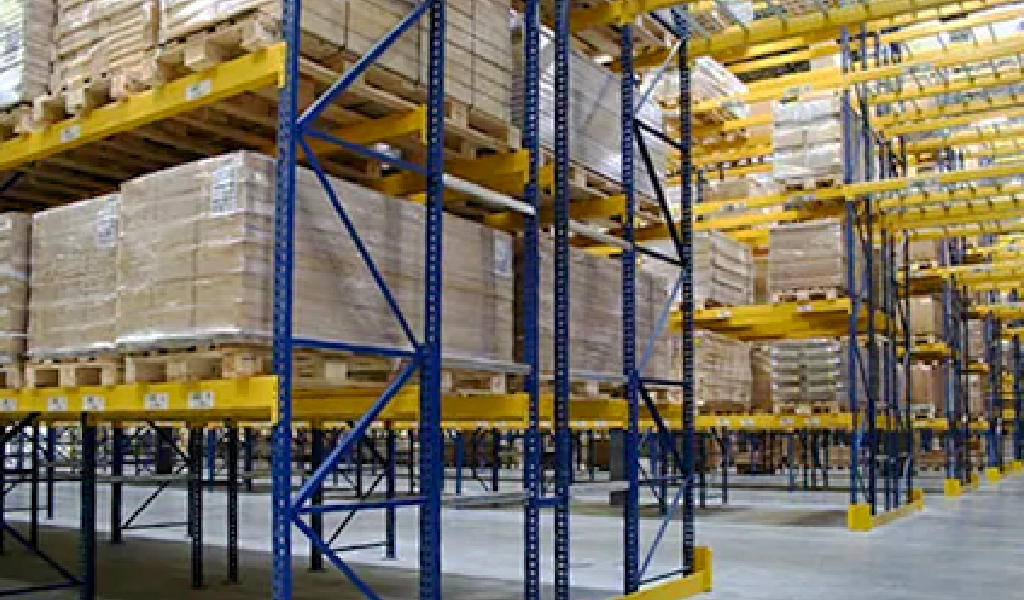
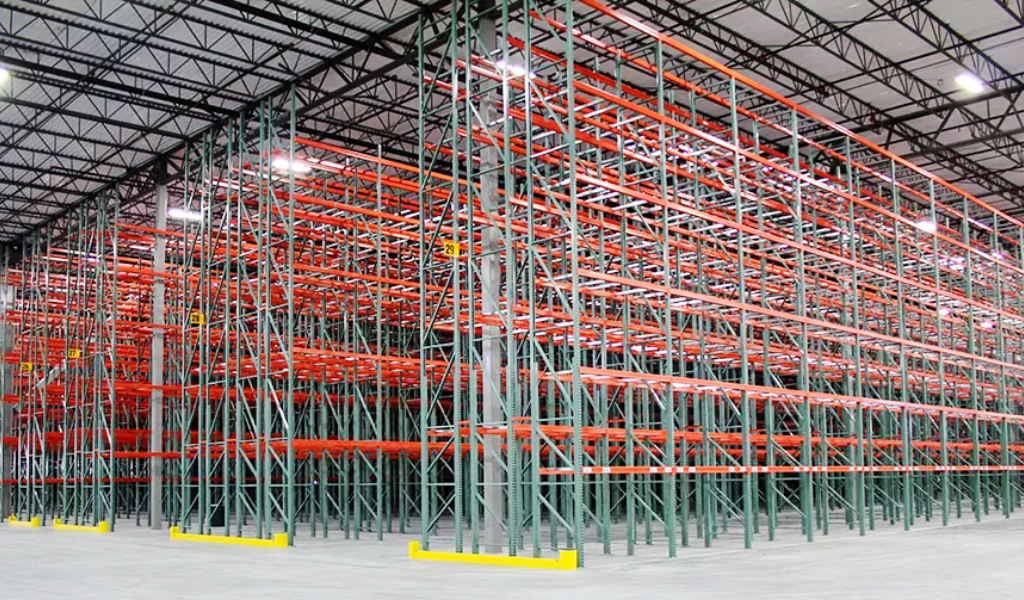
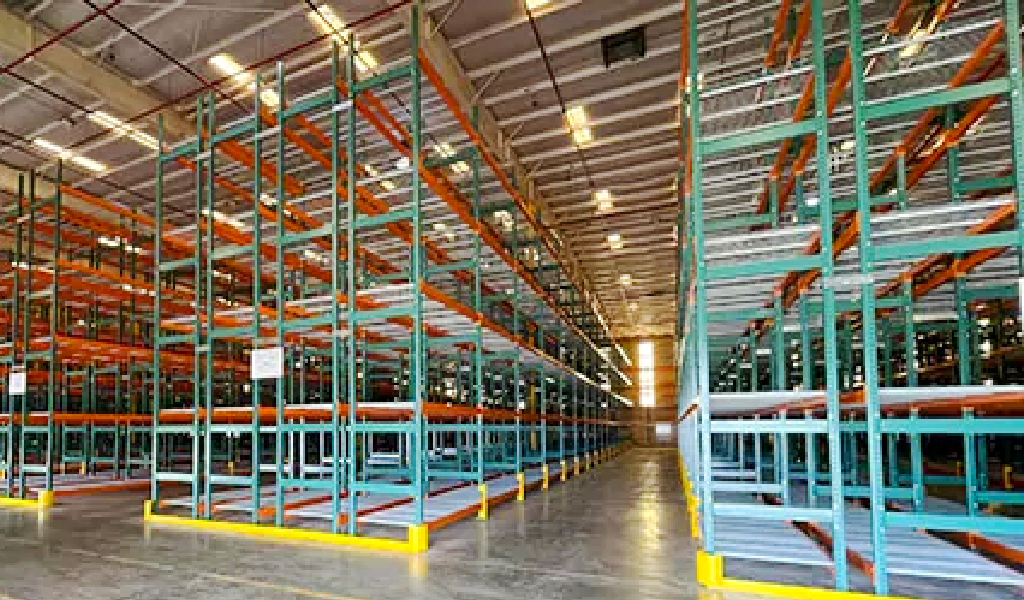

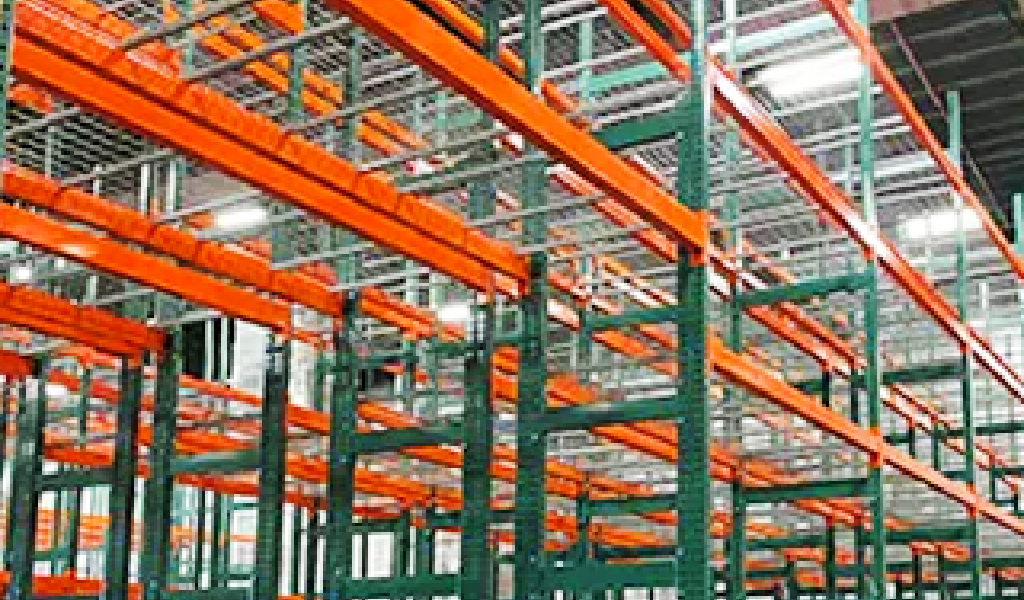
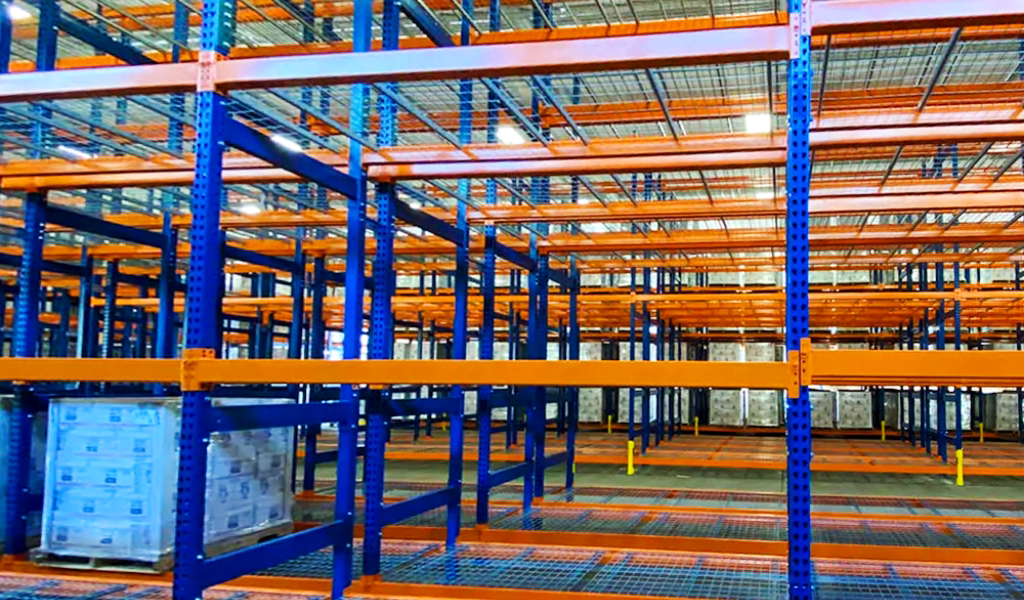
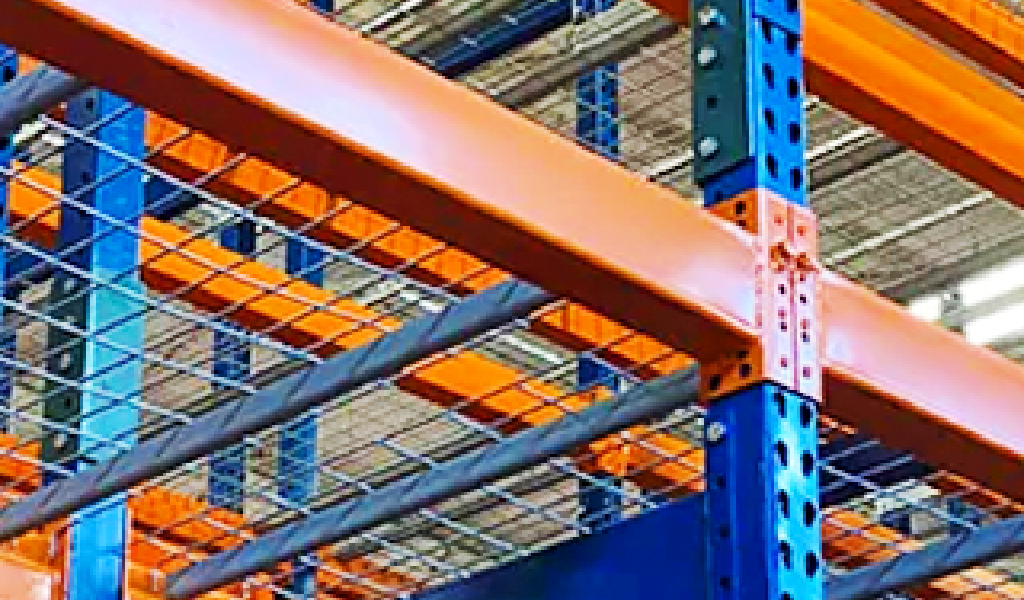
Double-Deep vs. Pushback Rack Comparison Chart
| Rack Type | Selectivity | Density | Cost | FIFO/LIFO | Other Considerations |
|---|---|---|---|---|---|
| Double-Deep Rack | High | Up to 50% more than single selective | ~ $150/ pallet position | LIFO | Special forklift required |
| Pushback Rack | High | Up to 50% more than single selective | ~ $300/ pallet position | LIFO | No special forklift required; High-quality pallets required |
Common Questions Regarding Double-Deep Rack
Several factors should be considered, including:
- A special deep reach truck is required for double deep rack applications
- Widening the rack bay – The outriggers of a deep reach truck must be able to straddle the floor level pallets in order for the reach truck to reach the rear position. As a result, the bay width needs to be slightly wider to allow room for the pallets and outriggers. This option will slightly reduce the warehouse density.
- Adding a beam level at the floor – An alternative solution to making the bays wider would be to add a beam level at the floor, getting the bottom level pallets off the floor so that the outriggers can go under the pallets instead of around them.
LIFO is an acronym for Last-In, First Out. It is a storage arrangement in which the last pallet placed is a location is the first pallet retrieved from that location. For a double deep rack system, this could be problematic if the user has to retrieve pallets by the earliest date available. It would require double handling of pallets in this instance because the earliest dated pallet would be in the rear position.
High-pile storage requirements could influence any of the following:
- Types of commodities to be stored may be limited based on fire protection system design and storage height per type of commodity as allowed by fire code.
- Type of decking on load levels. Typically requires 50% or greater opening to allow water to pass through.
- Flue spacing requirements. Both longitudinal and transverse flue spaces may need to be kept clear, allowing water from fire protection system direct access to stored product.
Talk with an Expert
Our Double-Deep Rack Vendors


